


What Those Two Small Dimples on Your Lower Back Reveal About Your Health
Have you ever noticed two small indentations on the lower back, just above the buttocks? Many people have them, many do not, and most never stop to wonder what they actually mean. These natural marks are commonly known as Venus dimples, and while they are often associated with beauty, they are not just a cosmetic detail.
For adults who pay closer attention to how their body changes over time, Venus dimples can raise interesting questions. Do they indicate something about health? Are they linked to circulation or posture? Or are they simply genetic traits with no deeper meaning?
The answer sits somewhere in between curiosity and biology.


What are Venus dimples
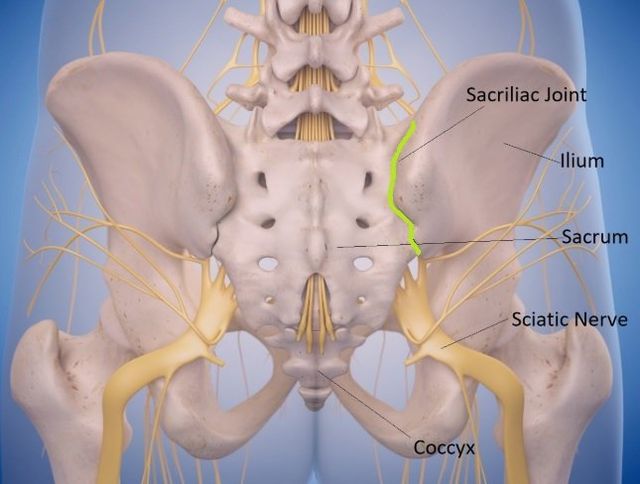
Venus dimples are small, symmetrical indentations located on the lower back where the skin connects to the pelvic bone. They form at points where ligaments pull the skin inward, creating visible depressions.
They are not caused by muscle tone, exercise, or body fat. You cannot develop them through workouts, and you cannot lose them through weight gain alone. Their presence is determined almost entirely by genetics and skeletal structure.
In men, similar indentations are sometimes called Apollo dimples, but the anatomical explanation is the same.
What Venus dimples may indicate about the body
While Venus dimples are not a medical marker, researchers and health professionals have observed a few interesting associations.
Efficient blood circulation
Because these dimples form in areas with minimal fat and direct ligament attachment, they are often linked to good blood flow in the pelvic and lower back region. Healthy circulation in this area can support mobility and reduce stiffness, which becomes increasingly important with age.
Balanced pelvic and spinal structure
Venus dimples are connected to how ligaments anchor to the pelvis. Their presence can suggest relatively balanced alignment in the lower spine and hips. Good alignment supports posture and may reduce strain on the lower back over time.
Stable genetic traits
Unlike many physical features that change with age, Venus dimples usually remain consistent throughout life. They do not fade with wrinkles or disappear as skin elasticity changes. This makes them one of the more stable physical traits a person can have.
Why some people have them and others do not
The presence or absence of Venus dimples has nothing to do with health habits, fitness level, or lifestyle choices. It is inherited, much like eye color or bone shape.
Not having these dimples does not mean there is anything wrong. Many people without them have excellent circulation, strong posture, and healthy backs. The difference lies purely in anatomy.
For older adults, this can be reassuring. These dimples are not something that suddenly appear or disappear due to aging, illness, or weight changes. They are simply part of how the body was built from the start.
Venus dimples and physical fitness
Although exercise cannot create Venus dimples, maintaining a healthy body composition can make them more visible if they are already present. Excess fat in the lower back area can soften or conceal them, while weight loss may make them more noticeable.
That said, visibility does not equal health. A person can be very fit and never have Venus dimples, while someone else may have them regardless of fitness level.
Regular walking, stretching, and gentle strength training remain far more important indicators of long-term mobility and wellness than the presence of these indentations.
Cultural and aesthetic symbolism
Historically, Venus dimples have often been associated with beauty, youth, and vitality. In classical art and sculpture, figures representing goddesses or idealized forms frequently display these subtle lower-back features.
For many people, especially later in life, this symbolism serves as a reminder that beauty is not limited to youth. Certain physical traits remain unchanged by time, quietly reinforcing the idea that aging does not erase individuality or grace.
Should Venus dimples ever be a concern
No. Venus dimples are not a medical condition and are not linked to disease or dysfunction.
If lower back pain, stiffness, or circulation issues develop, they are unrelated to these dimples and should be evaluated independently by a healthcare professional. The dimples themselves do not cause pain, weakness, or structural problems.
A gentle perspective on aging and the body
As the body ages, it becomes easier to notice small details that were once ignored. Some changes invite concern, others spark curiosity. Venus dimples fall firmly into the second category.
They are a quiet reminder that the human body carries layers of information about genetics, structure, and function, much of which operates silently in the background.
Whether you have these dimples or not, the most important markers of health remain consistent movement, balanced nutrition, good circulation, and attentive care over time.
Final thoughts
Those two small dimples on the lower back, known as Venus dimples, are a natural anatomical feature tied to genetics and pelvic structure. They may be associated with efficient circulation and balanced alignment, but they are not a measure of health or fitness.
If you have them, they are simply part of your body’s design. If you do not, it means your structure follows a different pattern, with its own strengths.
The body continues to tell its story quietly through small details like these. Paying attention can deepen appreciation, but true wellness always comes from how you care for the whole, not from any single feature.


