


Stop Boiling Potatoes in Water! Grandma’s Secret Ingredient Will Change Your Mashed Potatoes Forever
If you are still cooking potatoes for mashed potatoes in plain water, there is a better way. It is simple, old-fashioned, and surprisingly effective.
When I once mentioned boiling potatoes in water, my grandmother laughed and shook her head. Then she shared the method she had used for decades, a small change that completely transforms the final dish. Instead of water, she cooked her potatoes in milk, with just a little cream added.
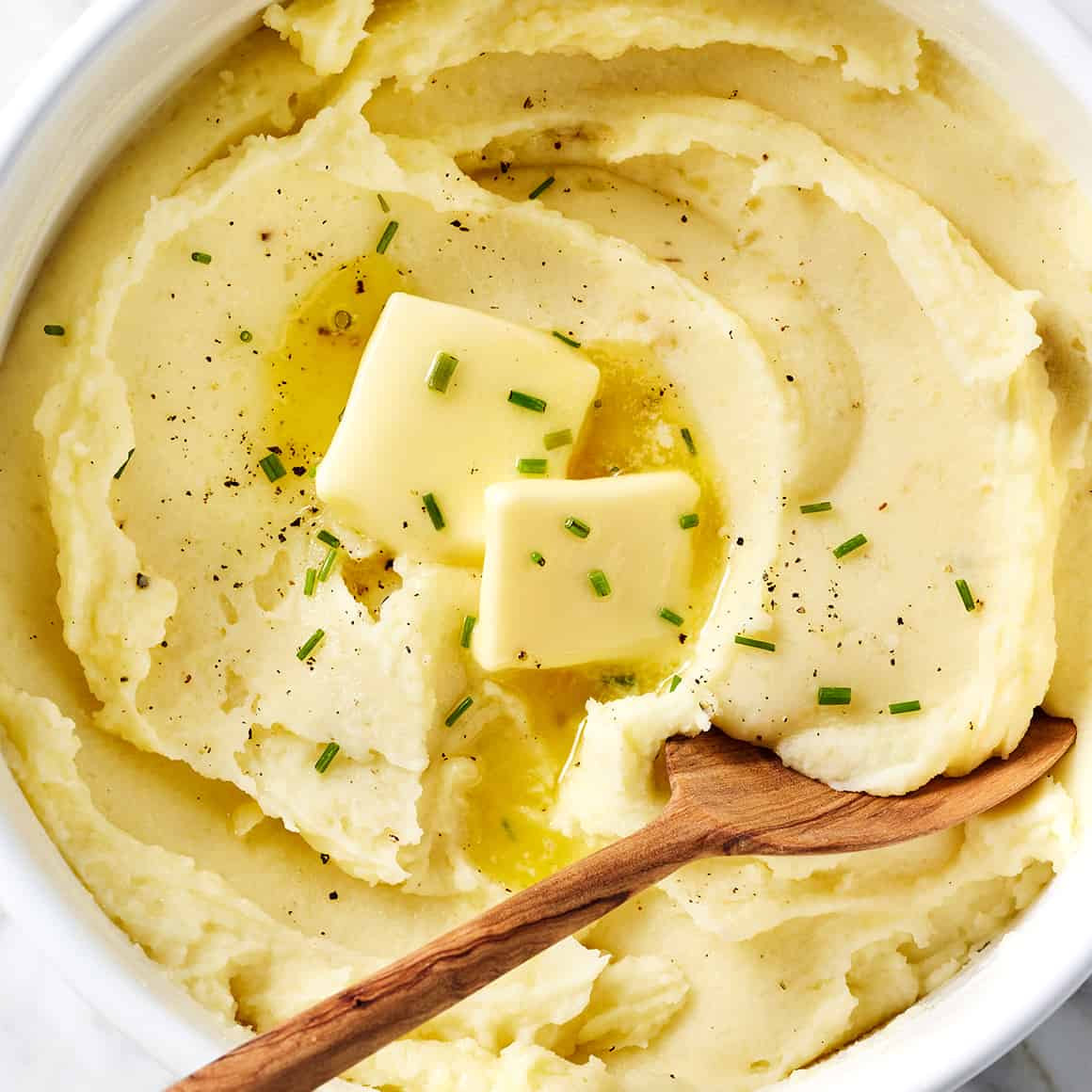
The result is mashed potatoes that are richer, smoother, and deeply flavorful before you even add butter or seasoning.

4
The simple secret: milk instead of water
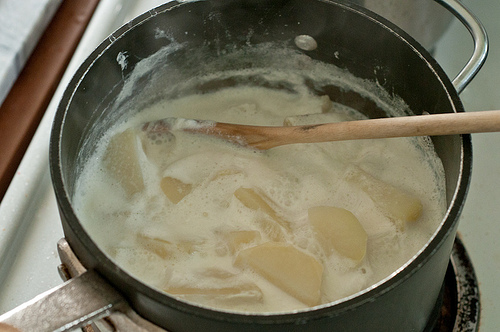
The technique is straightforward. Potatoes are simmered gently in milk, sometimes with a splash of cream, until they are tender. As they cook, they absorb the liquid around them.
Unlike water, milk adds flavor and fat directly into the potatoes. This means the creaminess starts during cooking, not at the end.
This method creates mashed potatoes that taste rich all the way through, not just coated in butter on the surface.
Why boiling potatoes in milk makes such a difference
There are a few reasons this approach works so well.
Better flavor
Potatoes absorb milk as they soften, giving them a subtle richness that water cannot provide.
Creamier texture
The natural fats in milk and cream help prevent dryness and graininess, resulting in a smoother mash.
More satisfying comfort food
Because the potatoes are already infused with dairy, you need less extra liquid later, which keeps the texture thick and luxurious.
A small nutritional bonus
Milk adds protein and calcium, giving the dish a little more substance.
Grandma-style mashed potatoes recipe
This recipe follows the same principles that have been used in many traditional kitchens. It is simple, reliable, and designed for comfort.
Ingredients
- 3 pounds russet or Yukon Gold potatoes, peeled and cut into even chunks
- 2 cups whole milk
- 1 cup heavy cream
- 1 stick unsalted butter
- Salt and black pepper to taste
Optional additions
- 2 garlic cloves, minced
- Fresh chives or parsley, finely chopped
Step-by-step instructions
1. Prepare the potatoes
Peel the potatoes and cut them into evenly sized chunks so they cook at the same rate. Rinse them briefly under cold water to remove excess surface starch.
2. Simmer in milk and cream
Place the milk and cream in a large pot. Add the potatoes and garlic if using. The liquid should just cover the potatoes. Add a bit more milk if needed.
Bring the mixture to a gentle simmer over medium heat. Avoid a hard boil to prevent scorching.
3. Cook until tender
Let the potatoes cook for about 20 to 25 minutes, until a fork slides in easily. As they cook, they will absorb some of the milk mixture and become naturally creamy.
4. Mash while hot
If there is excess liquid, carefully drain it, reserving a small amount just in case. Return the potatoes to the pot. Add the butter and mash until smooth.
For an extra refined texture, a potato ricer or hand mixer can be used.
5. Season and finish
Season with salt and black pepper to taste. Adjust until the flavor feels balanced. Stir in fresh herbs if desired.
6. Serve warm
Serve immediately while hot and soft. These mashed potatoes pair beautifully with roasted meats, gravy, or vegetables, and they are just as comforting on their own.
Helpful tips for best results
- Use Yukon Gold potatoes for a naturally buttery texture, or russets for a fluffier mash
- Keep the heat gentle to avoid scorching the milk
- Mash the potatoes while they are still hot for the smoothest result
- Season gradually, tasting as you go
A simple change that makes a big difference
Switching from water to milk may sound minor, but it changes the entire character of mashed potatoes. Instead of relying on butter and cream at the end to fix bland potatoes, the flavor is built from the very beginning.
This method creates mashed potatoes that feel intentional, comforting, and deeply satisfying. It is the kind of dish people notice, even if they cannot quite explain why it tastes better.
Next time you make mashed potatoes, skip the water. Try milk instead. It is a small tradition worth keeping, and once you taste the difference, it is hard to go back.


