


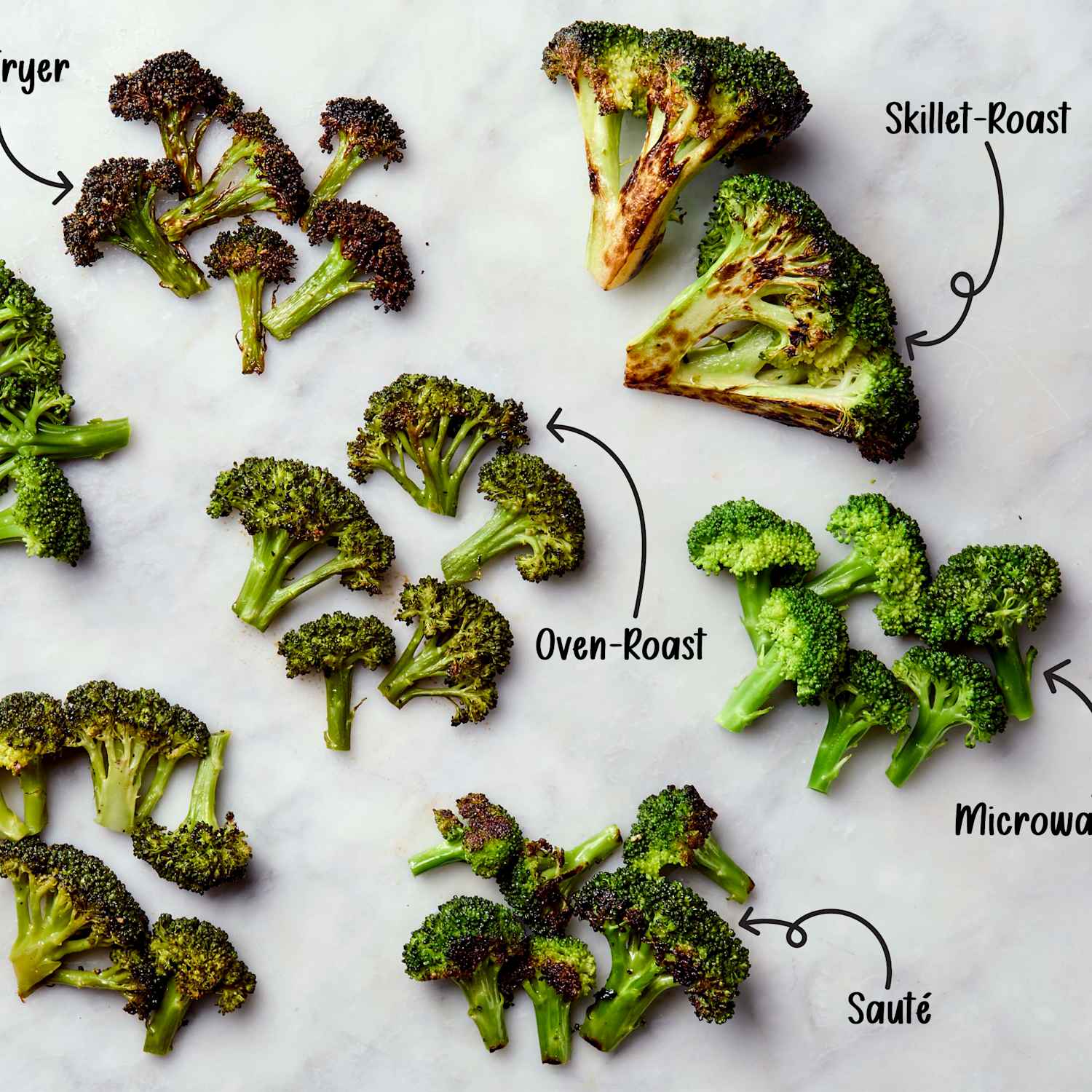
Doctors Explain What Really Happens When You Eat Broccoli and Why Cooking Method Matters
Broccoli has long been considered one of the most nourishing vegetables on the plate.
It appears on nearly every list of healthy foods for a reason. It is rich in essential nutrients, naturally low in calories, and easy to include in everyday meals. What many people do not realize is that how broccoli is cooked can significantly change how much benefit the body actually receives.
For adults over 60, this matters even more. As the body changes with age, nutrient absorption and digestion become more important. The good news is that broccoli can support overall wellness at any stage of life when it is prepared thoughtfully and eaten regularly.
Understanding what broccoli provides, and how cooking affects it, allows you to make simple choices that improve nutrition without strict rules or complicated diets.
Why Broccoli Is Considered a Nutritional Powerhouse
Broccoli delivers a wide range of nutrients in a single serving.
It is a strong source of vitamin C, which supports immune function, and vitamin K, which plays a role in bone health and normal blood clotting. It also contains fiber, which supports digestion and helps you feel satisfied after meals.
Beyond vitamins and minerals, broccoli provides natural plant compounds that help protect cells from everyday stress. These compounds are one of the main reasons broccoli is frequently linked to heart health, digestive support, and long-term vitality.
Because it is filling but low in calories, broccoli also fits well into eating patterns that support weight stability without restriction.
Cooking Changes Broccoli More Than You Might Think
Most people eat broccoli cooked rather than raw.
Cooking improves texture, flavor, and digestibility. It can also make certain nutrients easier for the body to absorb. At the same time, heat and water can reduce some beneficial compounds if broccoli is cooked the wrong way or for too long.
The goal is not to avoid cooking. The goal is to choose cooking methods that preserve nutrients while still making broccoli enjoyable to eat.
Different methods affect broccoli in different ways, and the best choice is often the one you can stick with consistently.
Cooking Methods That Help Preserve Nutrients
Steaming
Steaming is one of the most effective ways to cook broccoli. It uses gentle heat and very little water, which helps preserve vitamin C and protective plant compounds. Steamed broccoli also stays bright green, which is a sign it has not been overcooked.
Steaming works well with simple flavor additions like lemon juice, olive oil, garlic, or herbs.
Microwaving
Microwaving broccoli for short periods with minimal water helps retain nutrients because cooking time is brief. This method is convenient, especially for small portions, and works well when broccoli is not overcooked.
Light Sautéing or Stir-Frying
Quick cooking in a small amount of olive oil can improve both flavor and nutrient absorption. Some beneficial compounds are better absorbed when eaten with healthy fats. The key is to avoid high heat and long cooking times.
While sautéing may slightly reduce water-soluble vitamins, people often eat more broccoli when it tastes good, which can outweigh small losses.
Cooking Methods That Reduce Nutritional Value
Boiling
Boiling broccoli in a large amount of water often leads to nutrient loss. Vitamins and plant compounds can leach into the water, which is usually poured out. Boiling also increases the risk of overcooking.
If boiling is used, cooking time should be very short, and the cooking liquid can be reused in soups or sauces.
Overcooking
Overcooked broccoli becomes dull in color, soft in texture, and less nutritious. Prolonged heat breaks down vitamin C and other sensitive compounds.
A good rule is to stop cooking when broccoli turns bright green and is just tender.
Simple Ways to Get More Benefits From Broccoli
- Cut florets into similar sizes so they cook evenly
- Use the stems instead of discarding them. They are nutritious and slightly sweet
- Cook with minimal water
- Pair broccoli with healthy fats like olive oil
- Avoid cooking past the bright green stage
- Season with herbs, citrus, or garlic instead of heavy sauces
These small habits make a noticeable difference over time.
Broccoli as Part of a Balanced Lifestyle
Broccoli works best as part of a varied, balanced eating pattern.
No single food provides everything the body needs, but broccoli contributes meaningfully when combined with other vegetables, fruits, whole grains, and protein sources.
For older adults, gentle cooking methods and easy digestion are especially important. Properly prepared broccoli can be nourishing without being hard on the stomach.
Consistency matters more than perfection. Eating broccoli a few times per week in a way you enjoy supports long-term health far more than trying to prepare it “perfectly” once in a while.
The Bottom Line
Broccoli is a valuable vegetable, but how it is cooked directly affects how much benefit it provides.
Steaming, microwaving, and light sautéing preserve nutrients and flavor. Boiling and overcooking reduce nutritional value and texture.
By choosing gentler cooking methods, using less water, and stopping at the right time, broccoli becomes both nourishing and satisfying.
Sometimes, the healthiest changes are the simplest ones.


